Blinkin

Customer use case mapping

Find out where operational AI can actually help.

Start with the work your team needs to improve. The matchmaker turns rough ideas into a clear recommendation for the first operational AI workflow worth building.

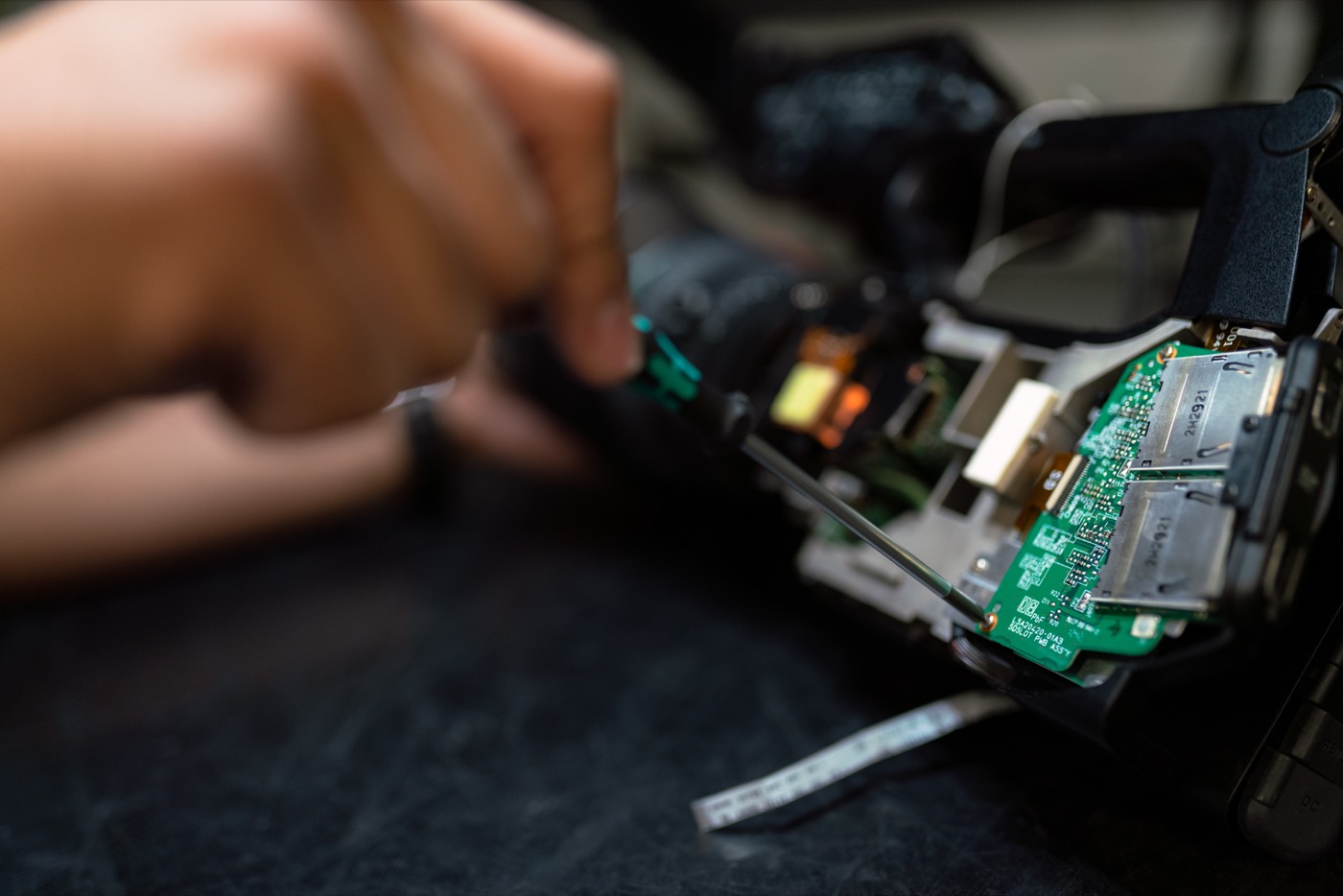
Technician working on electronic equipment
Machine guidance
Technician documenting an inspection
Inspection records
Wrench on mechanical equipment
Decision support
Field worker installing electrical equipment
Field support
Workflow Mapper
Write one sentence: who needs help, during which task, and what should improve. The result on the right will use it.
Try a starting point:
What should the workflow help with?
What context does the user have?

Select the inputs available for the selected job above.

Recommended first move

First workflow recommendation

Strong fit
Ready to shape Start with operational knowledge support

The use case has a bounded task, approved knowledge, and a useful output.

Task statement

Add one sentence describing the task to improve on the left.

Workflow card

User group
Technicians / service teams
Available inputs
Approved manuals, settings, codes
Expected next action
Structured handoff or audit record
Source readiness
Approved docs plus rules
Customer job
Find approved guidance while doing the work
Recommended AI approach
Knowledge-to-action workflow
Delivery recommendation
Adapt
First users
Technicians, service teams, operators

What the first workflow would do

    Capability fit

      What to prepare

        Use case brief

        Start with one bounded knowledge corpus, guided context selection, source-linked answers, related terminology, and a clear escalation path.

        Repeatable mapping method

        Use the same structure for every workflow idea.

        1

        Start with the problem

        Capture the frontline role, operational moment, current friction, and what a better outcome would look like.

        2

        Narrow the need

        Identify inputs, approved sources, next action, owner, validation point, and where human review is required.

        3

        Choose the first workflow

        Choose the smallest useful workflow that can prove value with one user group, one output, and one measurable operational result.

        Prioritize frontline workflows

        Find the first operational workflow worth building.

        Turn a collected need, backlog idea, or field pain point into the concrete scope an operations team can evaluate: users, trigger, inputs, output, owner, and success metric.

        1

        Start with the frontline moment

        Who is doing the work, where does friction appear, and what slows them down?

        2

        Choose the support pattern

        Machine guidance, evidence capture, decision logic, routing, or step-by-step task support.

        3

        Confirm what is needed

        Sources, images, voice, forms, rules, outputs, owners, and review points.

        4

        Scope the first workflow

        One workflow, one user group, one output, one owner, one measurable result.

        Adopt

        Known job, known flow

        Use when the need matches a proven pattern with minor wording and branding changes.

        Adapt

        Known pattern, local rules

        Use when sources, forms, outputs, approvals, or terminology must fit the customer context.

        Build

        Specific logic or integration

        Use when the workflow needs custom decision rules, system handoffs, or new process logic.

        Adopt, adapt, build

        Start from proven patterns, adapt to context, build only where needed.

        • Adopt: use a known pattern almost as-is.
        • Adapt: configure sources, rules, forms, outputs, and brand.
        • Build: create a new workflow when the logic is specific.

        Customer output

        Turn a real task into a first workflow a team can evaluate.

        Workflow candidate

        The frontline role, task, operational trigger, and the first workflow worth testing.

        Capability fit

        The Blinkin building blocks required: sources, inputs, rules, validation, handoff, and audit trail.

        Workflow shape

        Scope, users, source material, expected output, owner, validation point, and success metric.

        Map a real workflow